Table of Contents
- Why Durable Wool Throws Matter for Living Rooms
- Merino Wool Throw Benefits and Why They Outperform
- Lambswool vs Recycled Wool: Which Lasts Longer
- Styling Wool Throws on Sofas and Beds
- How to Clean Wool Throws and Extend Their Life
- What Makes a Wool Throw Truly Durable
- Conclusion
Last Updated: August 30, 2026
Why Durable Wool Throws Matter for Living Rooms
A quality wool throw transforms your décor and anchors the entire feeling of a room. When you drape durable wool throws across your sofa or bed, you're investing in a piece that will age gracefully, maintain its shape through years of use, and actually become softer with time. The best durable wool throws work year-round, providing genuine insulation in winter while remaining breathable enough for summer layering.
The distinction between a throw that lasts five years and one that lasts fifteen comes down to fibre quality, weave construction, and how the wool is sourced. At Casa Sereno, we've curated collections specifically designed for this longevity, balancing luxury with practicality. Unlike fast-fashion home décor that pills after months, genuinely durable wool throws represent foundational pieces that define your home's character.
This guide explores what separates truly durable wool throws from the rest, how to style them effectively, and exactly how to care for them so they outlast your expectations.
Merino Wool Throw Benefits and Why They Outperform
Merino wool stands apart because of its natural crimp and microscopic structure. Unlike standard wool, merino fibres are finer and more densely packed, resisting pilling far better than coarser alternatives. The natural elasticity means your throw bounces back after compression rather than flattening or losing shape.
Temperature regulation is where merino truly excels. The fibre naturally wicks moisture away from your body, keeping you comfortable whether you're curling up on a winter evening or draping it over your shoulders on a cool summer night. This dual-season functionality means you'll use the piece year-round rather than storing it seasonally.
Merino wool has natural softness that develops further with proper care. Coarser wool breeds feel scratchy initially and often remain that way; merino starts soft and becomes silkier with each wash. Durability in merino comes from fibre strength, it resists breaking and tearing better than standard wool, meaning seams hold longer and the overall structure remains intact. Wrinkles and creases typically fall out naturally, reducing the need for pressing or steaming.
Lambswool vs Recycled Wool: Which Lasts Longer
Lambswool comes from sheep under two years old, producing fibres that are softer and finer than wool from mature sheep. This makes lambswool throws exceptionally comfortable, though the fineness of lambswool fibres makes them slightly more prone to pilling under friction than merino.
A lambswool throw that's properly maintained will last many years. The real issue surfaces when people treat lambswool the same way they treat hardier wools. Lambswool performs best in lower-friction environments: draped over a sofa arm rather than tucked under cushions.
Fibre Fineness and Durability: The Micron Metric
Durability correlates directly to fibre fineness, measured in microns. Lambswool typically ranges from 19-24 microns, whilst merino sits between 17-20 microns, and standard adult wool exceeds 25 microns (woolmark.com). Finer fibres resist pilling better because they don't break as easily under friction. A 20-micron lambswool throw will outperform a 28-micron standard wool throw in durability, even though lambswool has a reputation for being delicate.
Recycled wool is made by breaking down existing wool textiles and re-spinning them into new yarn. The durability of recycled wool depends heavily on the source material and the quality of the recycling process. Premium recycled wool, sourced from high-quality original textiles and processed carefully, can rival virgin wool in longevity. When evaluating recycled wool throws, ask manufacturers about the source material and fibre length post-processing; longer recycled fibres indicate better durability.
Addressing Itchiness and Sensitivity
Itchiness is almost entirely determined by fibre fineness. Wool fibres coarser than 30 microns trigger an itch response in many people because they're thick enough to irritate nerve endings in the skin (peer-reviewed research). Lambswool at 19-24 microns and merino at 17-20 microns sit well below this threshold for most users. If you have sensitive skin or a history of wool irritation, lambswool and merino are physiologically less likely to cause discomfort.
Recycled wool's itchiness depends on the source. Recycled merino or recycled lambswool will retain the fineness of the original fibres, making it equally suitable for sensitive skin. Recycled standard wool carries the same itch risk as virgin standard wool.
The Honest Durability Assessment
Virgin merino outperforms both in raw durability metrics under heavy use, but recycled wool from quality sources comes remarkably close whilst offering genuine sustainability credentials. Lambswool excels in comfort but demands more attentive care and suits lower-friction placements. For a living room throw that sees daily use and occasional rough handling, merino or high-grade recycled merino wins. For a bedroom throw or showcase piece in a lower-traffic zone, lambswool delivers unmatched softness without durability compromises. For buyers prioritizing sustainability and willing to handle the throw gently, premium recycled wool provides compelling value without sacrificing longevity.
Styling Wool Throws on Sofas and Beds
On a sofa, draping creates movement and visual interest far more effectively than folding. Arrange your throw so one end cascades over an armrest, with the body loosely spread across the seating surface. This positioning showcases the textile's weave and texture whilst allowing it to settle naturally without constant repositioning that causes wear.
Layering matters more than most people realize. A single throw can feel sparse; layering it with complementary cushions and other textiles creates depth. Neutral-toned wool throws pair seamlessly with patterned cushions or solid accent pieces. A cream merino wool throw with natural undyed fibres becomes a sophisticated anchor when paired with warm neutrals and one textural accent.
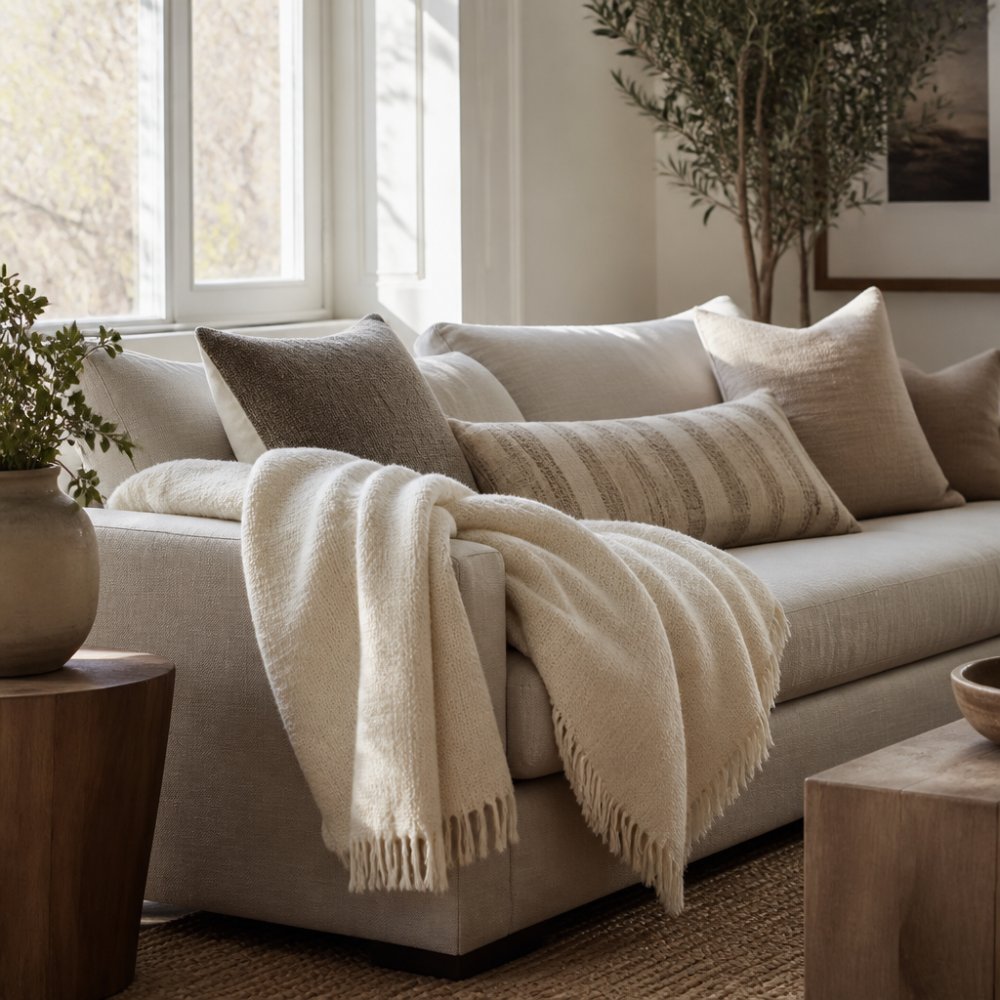
For beds, a wool throw works best at the foot or folded across the top of your quilt cover. Fold the throw into thirds lengthwise, then drape it across the bed's foot to create clean lines whilst showcasing the textile's quality.
In winter, layer your wool throw with heavier textures and deeper tones. In warmer months, a lightweight wool throw in cream, soft grey, or natural undyed tones becomes an airy accent. The beauty of genuinely durable wool throws is that they transition seamlessly between seasons.
How to Clean Wool Throws and Extend Their Life
Hand washing is the gold standard for preserving wool throws, though machine washing on gentle cycles works if you follow specific protocols. Fill a basin with lukewarm water (around 30°C) and add a wool-specific detergent (woolmark.com). Submerge your throw and gently agitate for a few minutes, then rinse thoroughly in clean water until no soap remains. Lukewarm water is essential: hot water causes wool fibres to felt permanently, whilst cold water doesn't dissolve detergent effectively.
Never wring or twist wool; this breaks fibres and causes permanent damage. Instead, gently squeeze out excess water, then lay the throw flat on a clean towel or hang it loosely over a drying rack. Air drying preserves the fibre structure completely. If you must use a dryer, select the lowest heat setting and remove the throw whilst still slightly damp, then lay it flat to finish drying.
Spot Cleaning and Stain Removal
Spot cleaning extends the time between full washes. For fresh spills, blot immediately with a clean cloth, don't rub, which drives the stain deeper into the fibres. For set-in stains, apply a small amount of wool-safe detergent mixed with water, work it gently into the affected area with a soft brush, then rinse with a damp cloth. For stubborn stains like wine or coffee, a solution of equal parts white vinegar and water can help lift the mark; test on an inconspicuous corner first.
Pilling is a natural occurrence in wool throws, especially during the first few washes. Use a fabric comb or a specialised pill remover to gently brush away pills once the throw is dry. After the first few months of use and washing, pilling typically diminishes significantly.
Pet-Friendly Wool Maintenance
Pet hair clings less to wool than to synthetic fabrics because wool's crimp structure doesn't create the static charge that attracts hair. Use a lint roller or a rubber broom to remove surface hair before washing.
For accidents, urine, vomit, or other organic stains, blot the affected area immediately. For urine, rinse with cool water and blot again. Mix a solution of one part white vinegar to three parts water and apply it to the stain, let it sit for 5-10 minutes, then rinse thoroughly with clean water and blot dry. The vinegar neutralises the ammonia and removes odour.
Snags from pet claws are repairable. If a claw pulls a loop of yarn through the weave, gently pull the loop back through to the underside using a crochet hook or needle, then secure it with a small knot on the reverse. For small holes or tears, a needle and matching wool yarn can close the gap with a simple whip stitch on the underside.
Storage for Long-Term Durability
Keep your throw in a breathable cotton bag rather than plastic, which traps moisture and can encourage mildew. Ensure the storage space is cool and dry, away from direct sunlight. Cedar blocks or lavender sachets provide natural moth protection. Wash the throw before packing it away if storing for more than a few months. Fold the throw loosely rather than rolling it tightly, which can create permanent creases.
What Makes a Wool Throw Truly Durable
Fibre fineness directly correlates with longevity. Premium merino wool typically measures between 17-20 microns; standard wool ranges from 25-30 microns. Finer fibres resist pilling better because they don't break as easily under friction.
Weave construction determines how the throw responds to stress and use. A tight, dense weave locks fibres together more effectively than a loose weave, resisting snagging and tearing. Heavier throws generally outlast lighter ones because the increased mass distributes stress more evenly across the textile.
Ethical sourcing and sustainable practices often correlate with durability because they indicate investment in quality. Wool sourced from well-managed farms produces stronger, healthier fibres. When manufacturers prioritize animal welfare and environmental responsibility, they typically also prioritize fibre quality.
The finishing process separates truly durable throws from mediocre ones. Quality wool throws undergo careful washing and treatment that removes lanolin and other natural oils just enough to make the wool workable, whilst preserving the fibres' structural integrity.
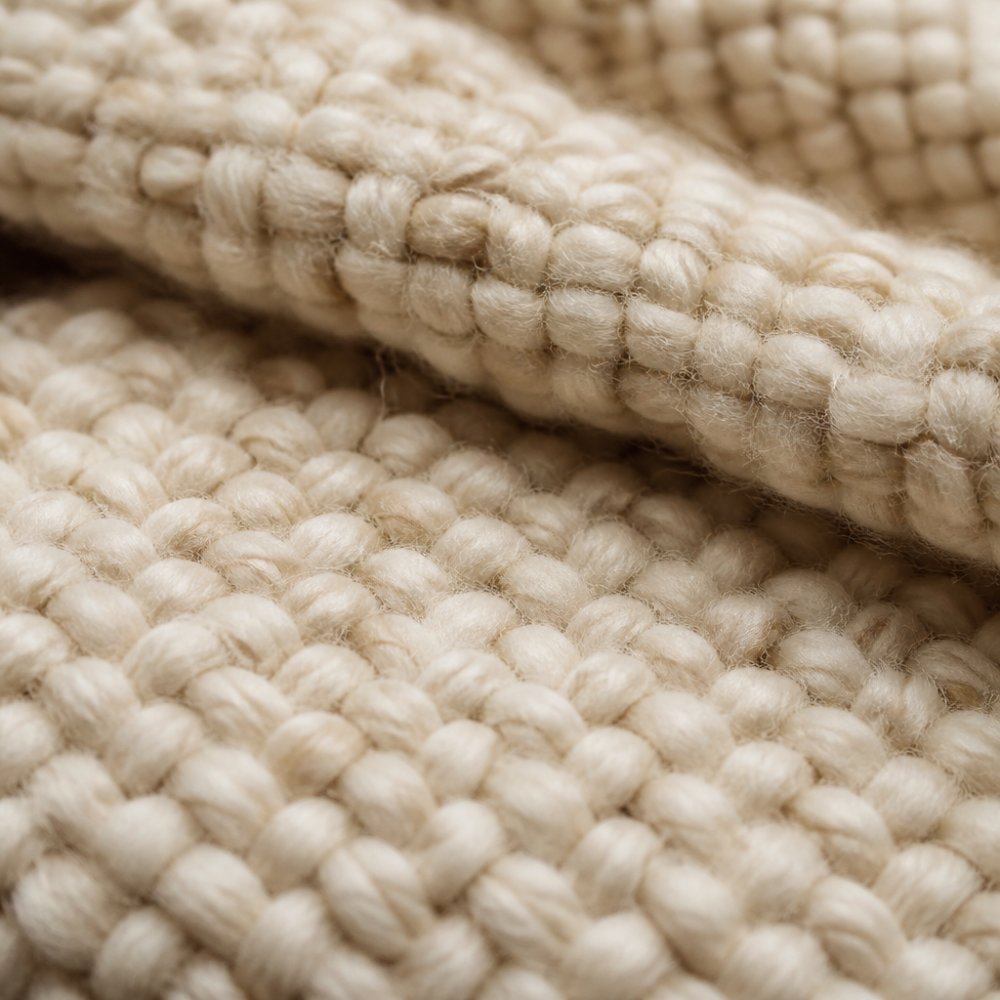
Casa Sereno's Woolen Throw exemplifies these durability markers. At $110.00, it represents the investment level where quality construction becomes standard rather than exceptional. The throw combines carefully selected wool with attention to weave density and finishing, creating a piece designed to outlast trend cycles.

Conclusion
Choosing durable wool throws for living rooms means prioritizing fibre quality, weave construction, and realistic care expectations over price alone. Merino wool offers the strongest durability profile, lambswool delivers unmatched comfort with slightly higher maintenance demands, and premium recycled wool provides compelling sustainability without sacrificing longevity.
The investment in a genuinely durable wool throw pays dividends through years of use. Rather than cycling through cheaper throws annually, a single quality piece becomes a foundational element of your home's aesthetic, one that actually improves with age and proper care.
Frequently Asked Questions
Q: Is merino wool better than standard wool for living room throws?
A: Merino wool outperforms standard wool in several ways. It has finer fibres that create a softer feel while maintaining superior resilience and durability. Merino wool naturally regulates temperature, making it breathable and comfortable year-round. It also resists pilling and odour better than many other wool types, making it ideal for high-traffic living spaces where throws see daily use. The natural crimp in merino fibres gives it excellent insulation without the weight.
Q: How do I know if a wool throw is high quality?
A: High-quality wool throws have a tight, even weave with consistent colour and texture throughout. Feel the weight, premium throws have substantial density without excessive bulk. Examine the label for fibre content; pure merino or lambswool is often considered superior to blends. Look for minimal pilling after handling, and ensure seams are reinforced. Reputable brands provide care instructions and stand behind their durability claims.
Q: What's the best way to care for a wool throw to keep it durable?
A: Most quality wool throws require hand washing in cool water with wool-specific detergent or dry cleaning to preserve fibre integrity. Air dry flat or draped to avoid stretching. Brush gently with a soft-bristled brush to remove dust and restore texture. Store in breathable cotton bags away from direct sunlight and moisture. Avoid excessive heat, harsh chemicals, and tumble drying, which damage natural fibres. Regular light maintenance, airing outdoors and gentle brushing, prevents odour and extends the life of your throw significantly.
Q: Can wool throws work in homes with pets or allergies?
A: Merino wool is often considered suitable for allergy sufferers due to its natural properties. Its moisture-wicking properties can help prevent dust mite accumulation. For pet owners, wool's resilient fibres can resist damage from claws and shed hair, though regular vacuuming helps. Wool's natural lanolin can create a protective barrier that resists staining. If someone has a wool sensitivity, recycled wool blends or lambswool may trigger fewer reactions than coarser fibres. Always test a small area and consult care instructions before purchasing if allergies are a concern.
Elevate your living room with a wool throw that's designed to last. Casa Sereno's curated collection brings together timeless style and genuine durability, offering pieces that transform your space while standing up to real-world living. Discover how the right wool throw becomes the anchor piece your home deserves. Shop Casa Sereno's wool throw collection and experience the difference quality craftsmanship makes.