

Table of Contents
- What Makes Linen Bedding Durable
- European Flax Linen Bedding: Why Origin Matters
- Signs of Low-Quality Linen to Avoid
- How to Wash Linen Sheets to Prevent Wear
- Comparing Linen vs. Cotton for Longevity
- Investing in Durable Linen Bedding
- Frequently Asked Questions
Last Updated: September 3, 2026
What Makes Linen Bedding Durable
Durable linen bedding isn't just about thread count or price tag. It comes down to how the fabric is constructed, what quality of flax fibres are used, and how well the weave holds up over time. When you're investing in sheets that will last years rather than months, understanding the mechanics of durability transforms you from a passive buyer into an informed decision-maker.
The foundation of durability lies in three interconnected factors: the weight of the fabric, the length of the fibres used, and the tightness of the weave. Each of these elements works together to determine whether your linen bedding will soften beautifully with age or begin to pill, tear, and lose its shape within a season or two.
At Casa Sereno, we've curated a selection of linen pieces specifically chosen for their longevity. Understanding what separates a sheet that lasts five years from one that lasts five months is the first step toward making a purchase you won't regret.

GSM and Fabric Weight
GSM (grams per square metre) is the most direct measure of how much fabric you're actually getting. A higher GSM means more fibres per square metre, which translates to a denser, heavier fabric that resists wear better than lightweight alternatives.
Most quality linen bedding sits between 150 and 200 GSM. Below 150 GSM, the fabric becomes thin and prone to tearing, particularly around high-friction areas like the foot of the bed where your legs move during sleep. Above 200 GSM, you're getting into luxury territory, the fabric becomes noticeably heavier and more substantial, though it may take slightly longer to soften.
The weight also affects how the fabric breathes. Counterintuitively, a slightly heavier linen actually maintains better moisture-wicking properties because the denser weave prevents moisture from pooling on the surface. Lighter fabrics can sometimes feel damp against your skin even when they're technically absorbing moisture effectively.
When comparing sheets, always check the GSM. If a retailer doesn't list it, that's often a red flag. Manufacturers of quality linen are transparent about this specification because it directly correlates with price and longevity.
Fibre Length and Tensile Strength
Not all flax fibres are created equal. The length of the individual fibres determines the tensile strength of the yarn, essentially, how much stress the thread can handle before breaking.
Long-staple flax fibres (typically 25-30mm or longer) create yarn that's significantly stronger than short-staple alternatives (peer-reviewed research). When fibres are longer, they interlock more effectively during the spinning process, creating a more cohesive thread. Short fibres, by contrast, have more endpoints where the thread can fray or break under stress.
This matters practically: sheets made from long-staple flax resist pilling far better than those made from shorter fibres. Pilling, those small balls of fibre that form on the surface, is one of the most common complaints about lower-quality linen. It's not a sign that the fabric is falling apart; it's a sign that short fibres are breaking loose from the weave.
Tensile strength also determines how well the fabric holds up to washing. Every wash cycle puts stress on the fibres. Stronger yarn can handle this repeated stress without degrading, whilst weaker yarn begins to break down almost immediately.
European flax, particularly from France and Belgium, is prized specifically because the climate and soil conditions in those regions produce longer, stronger fibres. This isn't marketing, it's a measurable difference in fibre length and the resulting yarn quality.
European Flax Linen Bedding: Why Origin Matters
The origin of the flax matters more than most buyers realise. European flax, particularly European flax linen bedding sourced from France, Belgium, and the Netherlands, has different properties than flax grown in other regions.
Climate and soil composition directly affect fibre length and strength. Northern Europe's cooler growing season and specific soil minerals produce flax plants that develop longer, more uniform fibres. This isn't a matter of farming technique alone, it's environmental. Flax grown in warmer climates or different soil types will have shorter fibres regardless of how carefully it's cultivated.
The dyeing and finishing processes also differ significantly between regions. European manufacturers have invested heavily in traditional finishing techniques that soften the fabric whilst maintaining structural integrity. Stone-washing, for example, a process where the fabric is washed with small stones to create a worn-in feel, is done differently in European facilities than in facilities elsewhere. The technique matters: aggressive stone-washing damages fibres, whilst carefully controlled stone-washing creates softness without sacrificing durability.
When you buy linen bedding with European flax, you're also buying into established quality standards. The European linen industry is heavily regulated, and manufacturers face reputational consequences for cutting corners. That institutional pressure toward quality is worth something.
Look for labels that specifically state "European flax" or identify the country of origin. If a retailer simply says "linen" without specifying the source, the flax could be from anywhere, and you have no way of knowing whether the fibres are long-staple or short-staple.
Signs of Low-Quality Linen to Avoid
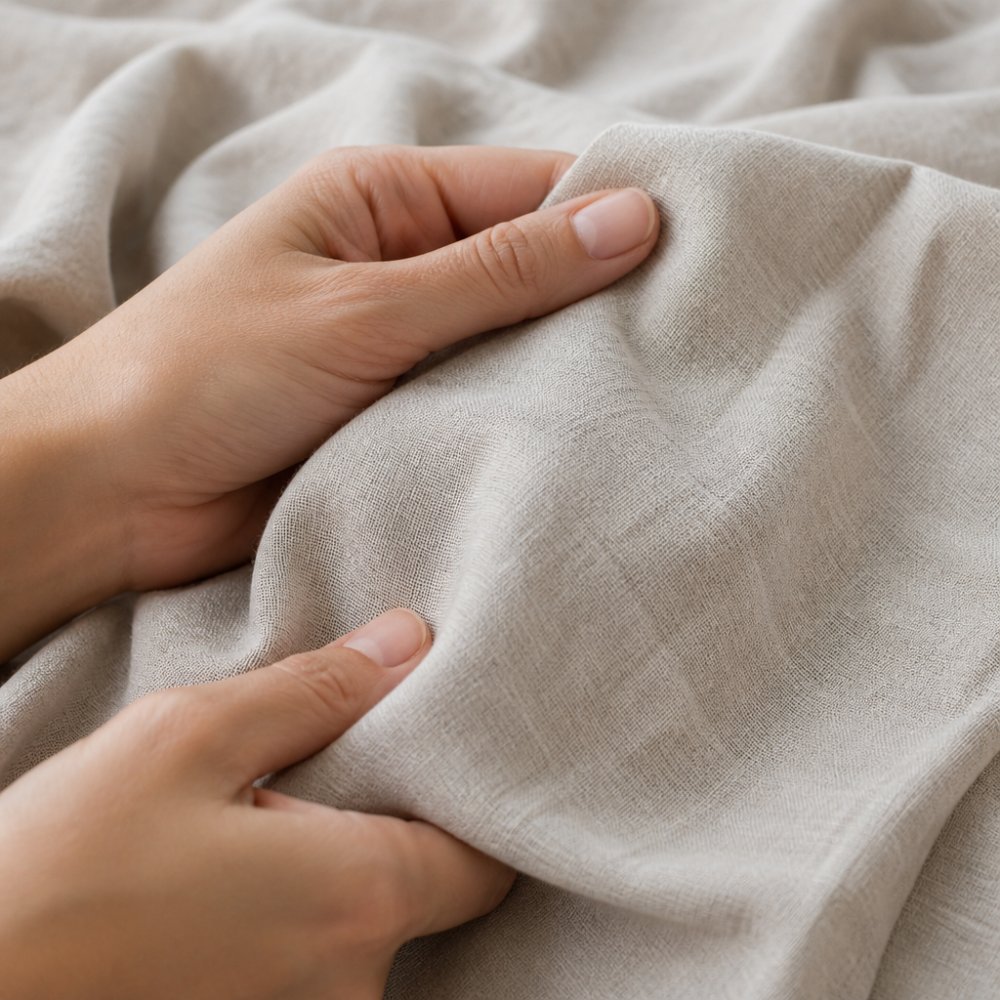
Low-quality linen often looks acceptable in photographs and feels reasonable in person during a brief touch. The problems emerge after a few washes. Knowing what to look for before you buy prevents expensive mistakes.
Red Flags in Construction and Finish
Pilling within the first few washes is the most obvious sign of poor fibre quality. If the fabric begins to develop those small bobbles of fibre within the first month of ownership, the flax fibres are too short and weak to hold together during normal use and washing.
Uneven weave density is another red flag. Run your hand across the fabric in different directions. Quality linen should feel consistent. If some areas feel thicker or thinner than others, the weave wasn't constructed carefully, and those thinner areas will wear faster.
Excessive shrinkage beyond the expected 3-5% suggests the fabric wasn't properly pre-shrunk before finishing. This means the sheet will continue to shrink unpredictably through multiple wash cycles, eventually becoming too small for your mattress.
Stiffness that doesn't soften is counterintuitive but important. New linen should be somewhat stiff, that's normal. However, quality linen softens noticeably after the first wash. If your sheets remain stiff and boardlike after multiple washes, the finishing process either used excessive chemical treatments (which will eventually wash out, leaving brittle fibres) or the fabric was finished poorly.
Visible loose threads or unravelling seams indicate careless construction. Quality sheets have finished seams that won't unravel even if you deliberately pull at them. If seams start coming apart during normal use, the entire sheet will eventually fail.
Discoloration or uneven colour across the fabric suggests either poor dyeing processes or the use of low-quality dyes that won't hold colour through repeated washing. Quality linen maintains colour fastness, the dye remains locked into the fibre even after dozens of washes.
Many of these issues are impossible to detect from a product photo online. This is where touching the fabric in person, if possible, or buying from retailers with strong return policies becomes important. Casa Sereno's curated collections are specifically selected to avoid these pitfalls, but if you're shopping elsewhere, these visual and tactile cues will protect you.
How to Wash Linen Sheets to Prevent Wear
How you wash your sheets matters as much as what you buy. The right washing routine extends the life of durable linen bedding by years. The wrong routine can destroy quality sheets in months.
Temperature, Detergent, and Drying Methods
Use cold or warm water, never hot. Hot water stresses the fibres and accelerates the breakdown of the fabric structure. Warm water (around 40°C) is ideal, warm enough to dissolve detergent effectively, but not so hot that it damages the fibres.
Choose a gentle, pH-neutral detergent. Harsh detergents with strong alkaline properties break down the linen fibres over time. Specialised linen detergents exist, but a gentle all-purpose detergent works perfectly well. Avoid fabric softeners entirely, they coat the fibres and prevent the natural softening that happens through washing.
Wash on a gentle or delicate cycle. The agitation during a standard wash cycle puts significant stress on the fabric. A gentle cycle reduces this stress without compromising cleanliness. If your washing machine has a "linen" setting, use it.
Don't overload the machine. Sheets need room to move freely during washing. Cramming too many items into one load increases friction between fabrics and the machine drum, leading to accelerated wear and pilling.
Dry naturally whenever possible. Line drying is the gold standard for linen longevity. The sun's UV rays actually help sterilise the fabric and maintain colour fastness. If you must use a dryer, use the lowest heat setting and remove the sheets while they're still slightly damp, over-drying makes linen brittle.
Wash every 7-10 days rather than every 2-3 days. Linen actually improves with less frequent washing. More frequent washing means more stress cycles. Linen doesn't accumulate odours the way cotton does because of its natural antibacterial properties, so less frequent washing is both better for durability and more practical.
Turn sheets inside out before washing. This simple step reduces pilling on the visible surface by minimising friction between the sheet surface and the machine drum.
These practices aren't complicated, but they're specific. Many people wash linen like they wash cotton, which accelerates degradation. The fibres are stronger than cotton, but they still require thoughtful care.
Comparing Linen vs. Cotton for Longevity
Both linen and cotton are natural fibres, but they age very differently. Understanding these differences helps you decide which is truly the better long-term investment.
Linen fibres are inherently stronger than cotton fibres. Cotton has a tensile strength of around 3-5 grams per denier, whilst linen sits at 5-15 grams per denier depending on fibre length (peer-reviewed research). This means linen can handle more washing cycles before the fibres begin to break down.
Cotton softens quickly, usually within the first few washes, but then begins to deteriorate. After two years of regular use, cotton sheets often show visible thinning and pilling. Linen, by contrast, softens gradually over months or even years whilst maintaining structural integrity. A quality linen sheet that's five years old will often feel better than a new cotton sheet.
Cotton requires more frequent washing because it absorbs moisture and holds odours. Linen's natural properties mean it can go longer between washes without developing odours. This reduces the total number of wash cycles over the sheet's lifetime, further extending durability.
The trade-off is initial cost. Quality linen costs more upfront than quality cotton. However, when you calculate cost per year of use, linen becomes significantly cheaper. A $200 linen sheet set that lasts eight years costs $25 per year. A $80 cotton sheet set that lasts two years costs $40 per year.
Temperature regulation also differs. Linen maintains better thermal regulation across a wider temperature range than cotton. This means your sheets remain comfortable year-round without needing to switch between summer and winter options, extending the useful life of each set.
Investing in Durable Linen Bedding
The decision to invest in quality linen bedding is ultimately a decision about what you value. It's not just about thread count or brand name, it's about understanding what makes a sheet actually last.
Start with GSM and fibre origin. These two factors alone will eliminate most low-quality options. Look for sheets with GSM between 150 and 200, and specifically source European flax when possible. These specifications directly correlate with longevity.
Inspect the fabric in person if you can. Feel the weave density, look for evenness, and pay attention to how the fabric feels. Quality is often obvious to the touch.
Follow the care guidelines we've outlined. The best sheet in the world will fail if it's washed in hot water on a heavy cycle and dried on high heat. Proper care is non-negotiable.
Casa Sereno's curated collection includes pieces like the Linen Hand Quilted Euro ($89.00), selected specifically for their construction quality and long-term durability. These aren't the cheapest options available, but they're chosen because they'll still feel luxurious and perform beautifully years after purchase.

Consider also complementary pieces. The Linen European Sham in Charcoal ($85.00) coordinates with quality sheet sets and adds depth to your bedroom aesthetic whilst maintaining the same durability standards.

The real investment isn't just in the initial purchase. It's in creating a bedroom environment that supports better sleep, looks intentional, and actually improves with age. Quality linen bedding does this. Cheap sheets never do.
Choosing durable linen bedding requires understanding fabric weight, fibre quality, and construction standards, but it's worth the effort. Quality linen improves with age, lasts years longer than alternatives, and ultimately costs less per year of use. Casa Sereno's carefully selected linen pieces bring this durability together with the elegant aesthetic that transforms a bedroom into a genuine sanctuary. Invest in sheets that will feel better five years from now than they do today, and you'll understand why linen has remained the choice of those who value both comfort and longevity.
Frequently Asked Questions
Q: How long should good quality linen sheets last?
High-quality linen bedding with long-staple fibres and proper GSM can last for many years when cared for correctly. The durability depends on fibre length, weave density, and washing practices. European flax linen bedding tends to last longer due to superior fibre quality. Regular gentle washing and air-drying significantly extend the lifespan compared to machine drying.
Q: What GSM should I look for in durable linen bedding?
Aim for linen bedding with a GSM of 150-200 or higher for durability. GSM (grams per square metre) indicates fabric weight and density. Higher GSM means thicker, more durable fabric with better tensile strength. Lightweight linen below 150 GSM tends to wear thin faster and show pilling more readily. European flax linen bedding typically offers better GSM consistency and longevity than lower-grade alternatives.
Q: What are the signs of low-quality linen bedding?
Low-quality linen often shows loose weave density, thin fabric that feels papery, visible pilling after a few washes, and uneven dyeing or colour. Check for short-staple fibres (which pill easily), poor seam construction, and rough fabric finish. Red flags include strong chemical odours, shrinkage beyond 5%, and rapid colour fading. Authentic durable linen has a smooth hand, consistent weight, and minimal pilling even after multiple washes.
Q: Does thread count matter for linen bedding?
Thread count is less relevant for linen than for cotton. Instead, focus on GSM, fibre length, and weave density to assess durability. Linen's natural structure and long-staple fibre quality matter far more than thread count. European flax linen bedding prioritises fibre integrity and construction quality over thread count. A well-made linen sheet with lower thread count but superior fibre and weave will outlast a high thread-count sheet made from short-staple fibres.
This article was written using GrandRanker
