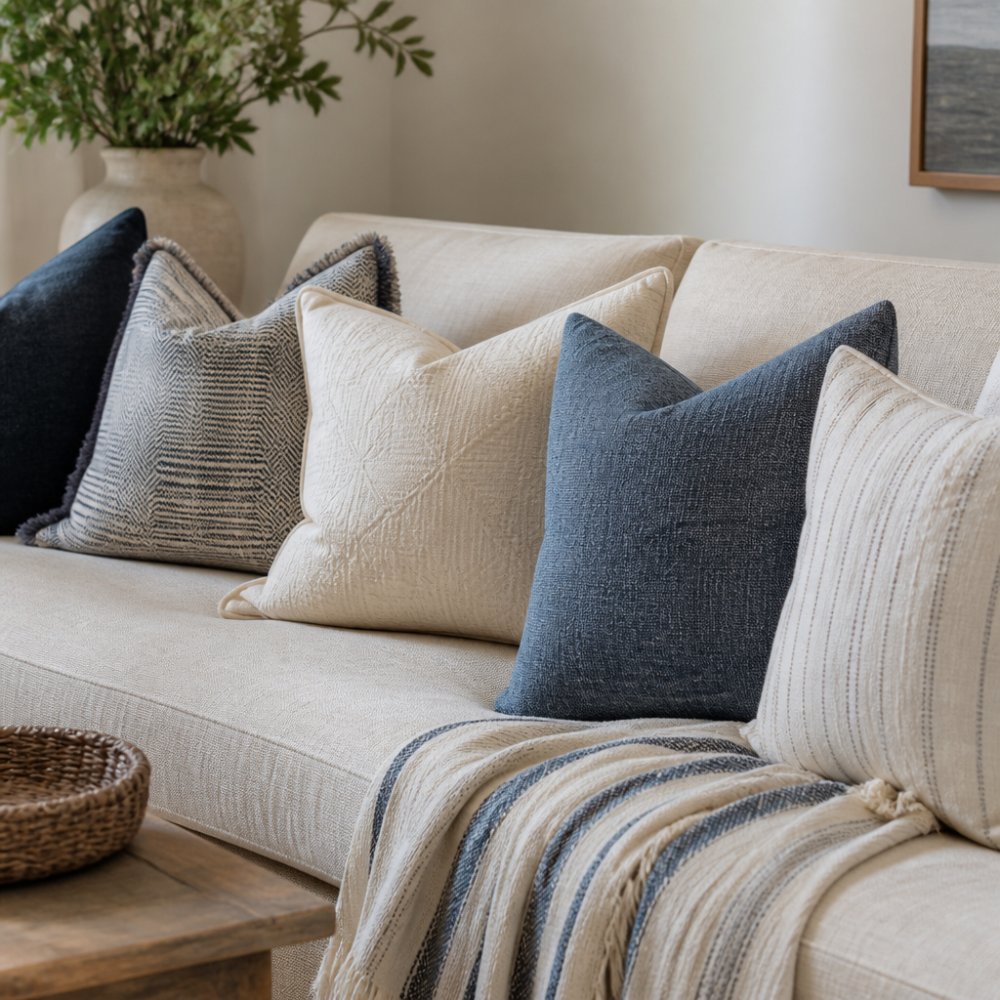
Table of Contents
- How to Choose the Right Furniture Melbourne Stores for Your Home
- Luxury Interior Design Trends Shaping Melbourne Homes in 2026
- How to Style a Living Room with Luxury Pieces
- Furniture for Small Melbourne Apartments
- Local Furniture Restoration and Repair Services
- Style Guides for Melbourne Homes: Victorian vs. Modern
- Custom and Bespoke Furniture: Lead Times and What to Expect
- Frequently Asked Questions
Last Updated: September 25, 2026
How to Choose the Right Furniture Melbourne Stores for Your Home
Finding the right furniture Melbourne stores starts with knowing what separates a piece that lasts from one that looks tired within a year. This guide from Casa Sereno covers the criteria that matter most, from joinery and warranty terms to delivery and assembly.
The biggest mistake shoppers make is judging a piece by its showroom styling rather than its construction. Ask what the frame is made from, how the cushions are filled, and whether the upholstery carries a wear rating. If the salesperson cannot answer, that tells you something.
Key Criteria: Quality, Craftsmanship, and Warranty
Quality comes down to three things: the frame, the joinery, and the finish. A hardwood frame outlasts particleboard, and mortise-and-tenon joints hold up far better than staples or screws alone.
Warranty terms vary widely. Structural warranties typically cover frames and springs, while fabric and leather are often excluded or covered for a shorter period. Read the fine print before you buy.
- Frame: hardwood or kiln-dried timber, not particleboard
- Joinery: mortise-and-tenon or dowelled, not stapled
- Upholstery: check the Martindale rub count for fabric durability
- Warranty: confirm what is covered and for how long
Budgeting for Timeless Pieces vs. Trend-Led Buys
Timeless pieces cost more upfront but less per year of use. A well-made timber dining table can serve a household for two decades; a trend-led piece may need replacing in three or four years.
Split your budget: spend the majority on daily-use pieces such as a sofa, mattress, or dining setting, and save on accents you are likely to swap out. Decorative cushions and throws let you refresh a room's look without replacing the furniture underneath.
| Budget Category | Spend Level | Typical Lifespan | Examples |
|---|---|---|---|
| Daily-use pieces | Higher | 10-20 years | Sofa, mattress, dining table |
| Occasional pieces | Moderate | 5-10 years | Armchair, side table, desk |
| Accents and decor | Lower | 2-5 years | Cushions, throws, knobs, handles |
Luxury Interior Design Trends Shaping Melbourne Homes in 2026
Luxury interior design trends in 2026 lean toward calm, layered interiors built from natural materials rather than statement pieces that date quickly.
A store that stocks natural fibres and neutral palettes will serve you better long-term than one chasing seasonal colour drops.
Sustainable Materials and Natural Fibres
Linen, wool, and responsibly sourced timber dominate the market. These materials age well and develop character rather than looking worn.
Mid-Century and Contemporary Configurations
Mid-century silhouettes remain popular, particularly in timber. Tapered legs, low profiles, and warm wood tones suit both period homes and newer apartments.
Contemporary configurations favour modular sofas and flexible dining settings that adapt to smaller footprints, letting you reconfigure a room as your needs change.
How to Style a Living Room with Luxury Pieces
Styling a living room with luxury pieces is about restraint and texture, not volume. The difference between a curated room and a showroom display comes down to three levers: proportion, texture layering, and light.
Start with your largest piece, usually the sofa, and build outward. Keep your palette to two or three tones and let texture add interest. Anchor the room on a single hero piece and treat everything else as supporting cast, if a cushion, throw, or accessory is not doing a job, it is clutter.
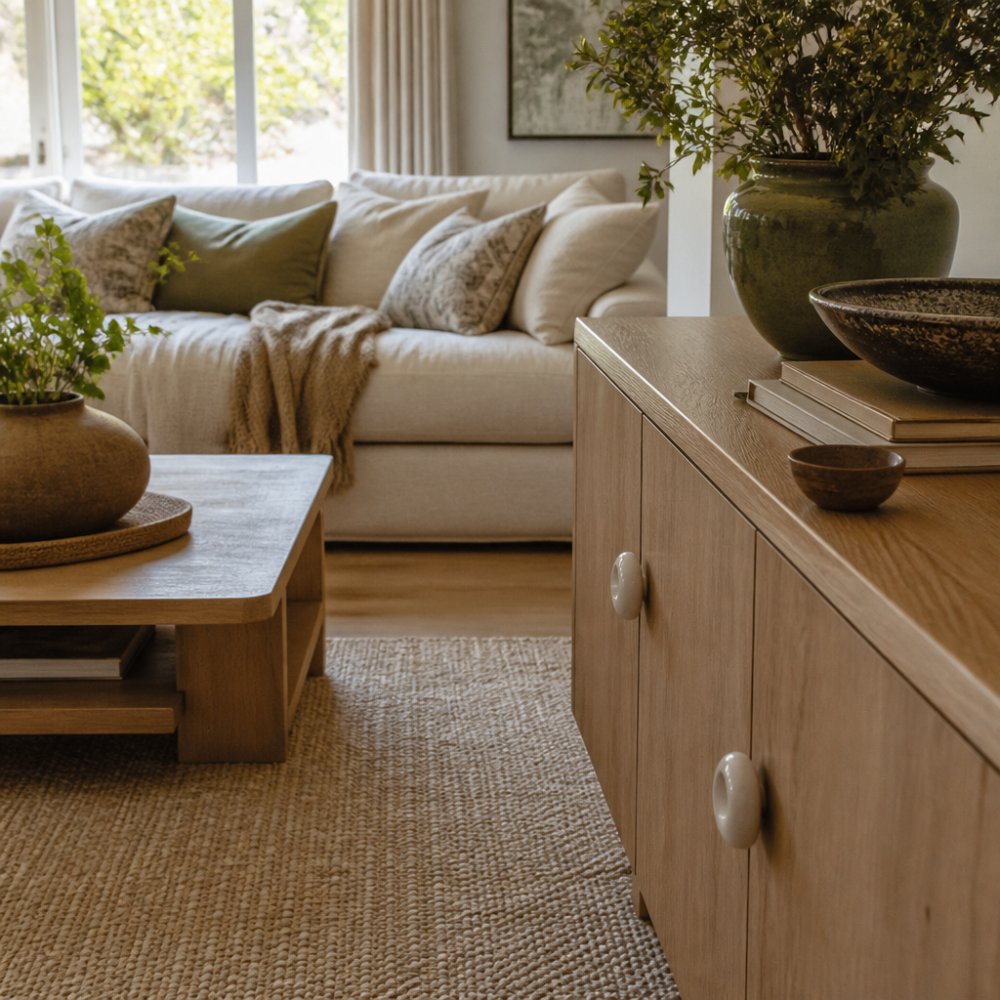
Proportion: The Rule Most Rooms Break
Proportion is the most common failure point. Size the rug so at least the front legs of every seating piece sit on it, and keep the coffee table roughly two-thirds the length of the sofa it serves.
Hang artwork so the centre sits at eye level when seated, not standing.
Layering Textures: Upholstery, Throws, and Cushions
Texture stops a neutral room from feeling flat. Combine a smooth upholstery with a chunky wool throw and a linen cushion, and the room gains depth without adding colour.
Designer Lighting and Statement Accessories
Lighting changes how every other piece in the room reads. A warm, dimmable floor lamp beside a lounge does more for atmosphere than a ceiling fixture alone: a single overhead light flattens a room, while three or four sources at different heights create depth and shadow.
Furniture for Small Melbourne Apartments
Small apartments reward furniture that works harder. Multi-function pieces, vertical storage, and scaled-down proportions matter more than statement scale.
Local Furniture Restoration and Repair Services
Restoration often beats replacement, financially and environmentally. Reupholstering a quality sofa can be a cost-effective option, and the frame is usually the strongest part of an older piece.
Common repairs worth quoting include:
- Reupholstering worn seats and backs
- Replacing sagging webbing or springs
- Refinishing scratched or water-marked timber
- Replacing broken handles, knobs, and hinges
- Rebuilding loose joints on chairs and tables
Style Guides for Melbourne Homes: Victorian vs. Modern
Victorian and modern homes call for different furniture approaches, even on the same budget. Matching pieces to the architecture avoids beautiful furniture looking out of place.
Custom and Bespoke Furniture: Lead Times and What to Expect
Custom furniture lead times typically run from six to sixteen weeks, depending on the maker, materials, and complexity. Bespoke designs sit at the longer end because each item is built to order, and the variables behind the headline number determine whether your order arrives on time or slips by a month.
| Order Type | Typical Lead Time | Best For |
|---|---|---|
| In-stock accessories | Same week | Renters, quick refreshes |
| In-stock furniture | 1-2 weeks | Immediate needs |
| Made-to-order upholstery | 6-10 weeks | Specific fabric or size |
| Fully bespoke pieces | 10-16 weeks | Unique dimensions or design |
What Actually Drives the Timeline
Four variables push a custom order longer, and understanding them lets you ask better questions before you pay a deposit.
How to Plan Around a Custom Order
A practical sequence for furnishing a new home or renovating:
- Confirm the fabric or finish is in stock before paying a deposit, and get the lead time in writing.
- Ask where your order sits in the queue and what would move it forward or back.
- Order the longest-lead items first, typically the sofa and dining table, and let accessories fill the gap.
- Book delivery early, especially if you need a specific date around a move or an event.
- Keep a buffer of two to three weeks on any deadline that matters.
When Custom Is Worth It, and When It Is Not
Custom makes sense when a standard size genuinely will not fit, when you need a specific fabric to match an existing scheme, or when the piece is one you intend to keep for a decade or more.
Frequently Asked Questions
What should I look for when visiting a premium furniture showroom?
Check the quality of materials and construction first. Look for solid timber frames, tight upholstery, and smooth drawer runners. Ask about warranty terms and whether assembly services are included. A good showroom will let you test sofas and lounges for comfort and will have clear pricing on display. If you are shopping for furniture Melbourne stores, bring measurements and photos of your space so staff can help you visualise configurations.
How do I choose between modern and classic furniture styles for my home?
Start with your home's architecture. A Victorian terrace often suits classic or Hamptons-style pieces with timber furniture and soft upholstery, while a modern apartment works well with minimalist or mid-century configurations. You can mix both by keeping large pieces neutral and adding contemporary accents. Consider how long you plan to keep each item; timeless shapes in quality materials tend to outlast trend-led buys.
Are there boutique furniture retailers that offer bespoke home styling?
Yes, many smaller retailers and online stores offer bespoke designs and styling advice. Look for businesses that provide showroom appointments, fabric swatches, and custom configurations. Some also offer interior styling consultations to help you coordinate pieces across rooms. When comparing options, ask about lead times for custom orders and whether they provide assembly services or click and collect.
How can I find unique home décor pieces to complement my furniture?
Focus on accessories that add texture and colour without overwhelming the room. Ceramic knobs, designer lighting, and decorative cushions are simple ways to refresh existing furniture. For a coordinated look, choose a palette of two or three tones and repeat them across upholstery, throws, and homewares. Online shopping makes it easy to browse curated collections, and many stores offer fast delivery on smaller décor items.
What is the best way to care for timber furniture in a Melbourne home?
Dust regularly with a soft cloth and avoid direct sunlight, which can fade and dry the timber. Use coasters under drinks and wipe spills immediately. Every six to twelve months, apply a furniture oil or wax suitable for the finish. Melbourne's humidity swings can cause timber to expand and contract, so keep pieces away from heating vents and open windows during wet weather. Proper care extends the life of quality craftsmanship.